248. Reflecting on My Conversation with Zaretta Hammond
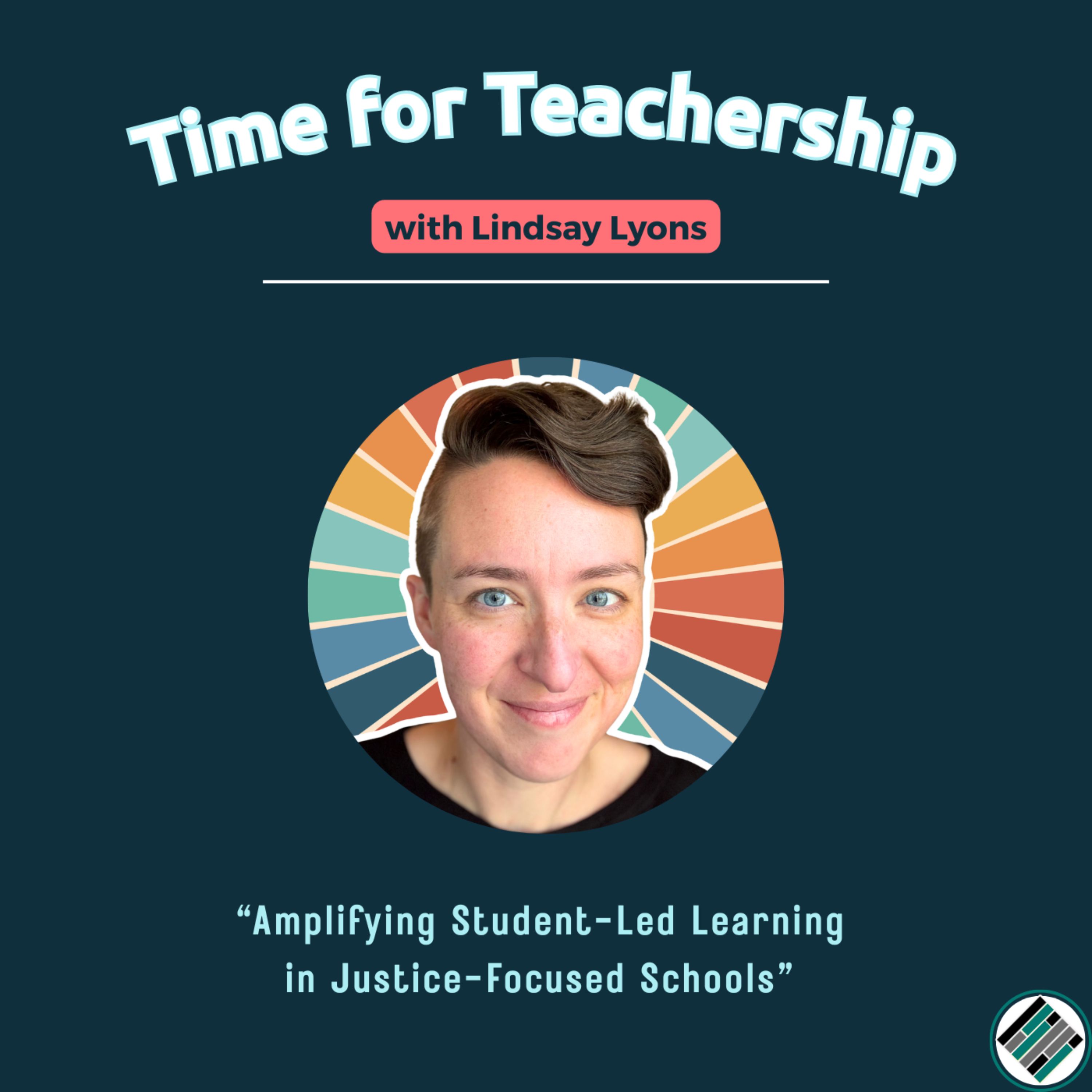


Last week, I had the incredible honor of speaking with Zaretta Hammond about cognitive justice, instructional equity, and rebuilding students’ learning power. If you haven’t listened to Episode 247 yet, I strongly encourage you to go back and start there.
In this episode, I do something a little different.
I reflect — in real time — on a moment in our conversation where Zaretta stopped me and challenged my thinking. Specifically, she pushed back on my assumption that student voice could serve as the primary lever for instructional improvement and equity.
Her response sparked a full-on mental model shift for me.
This episode is a transparent walk through that shift — the embarrassment, the defensiveness, the reflection, and ultimately, the integration. If you’ve ever experienced discomfort while learning, this episode may resonate deeply.
Key Takeaways
-
Discomfort signals growth. Being challenged can trigger defensiveness, but that tension often marks the start of real learning.
-
Student voice isn’t a silver bullet. Dependent learners may need explicit instruction in literacy and metacognitive skills before voice can be fully leveraged.
-
Build learning power intentionally. Cognitive apprenticeship — teaching students how to learn — is foundational to equity.
-
Sequence matters. It’s both/and (literacy and criticality, skill-building and voice), but clarity about outcomes and timing is essential.
-
Change requires action. Dissatisfaction + vision + a concrete first step are necessary to move beyond resistance.
Get Your Episode Freebie & More Resources On My Website: https://www.lindsaybethlyons.com/blog/248


