E36 - Bridging the Gap: Aligning Literacy and Language Development Standards for Multilingual Readers


What happens when multilingual learners need foundational reading instruction, but existing standards don't clearly establish who is responsible for providing it? In this episode, four Georgia educators explore gaps between WIDA’s English language development standards and the science of reading, particularly for students entering U.S. schools beyond the early elementary grades. Drawing on their collaborative work in Floyd County Schools, they discuss how ESOL and literacy educators can share responsibility for foundational reading instruction, use assessment data to distinguish language differences from reading difficulties, and strengthen literacy outcomes across grade levels. Their conversation challenges educators and policymakers to reconsider how language development, reading instruction, and educational equity intersect.
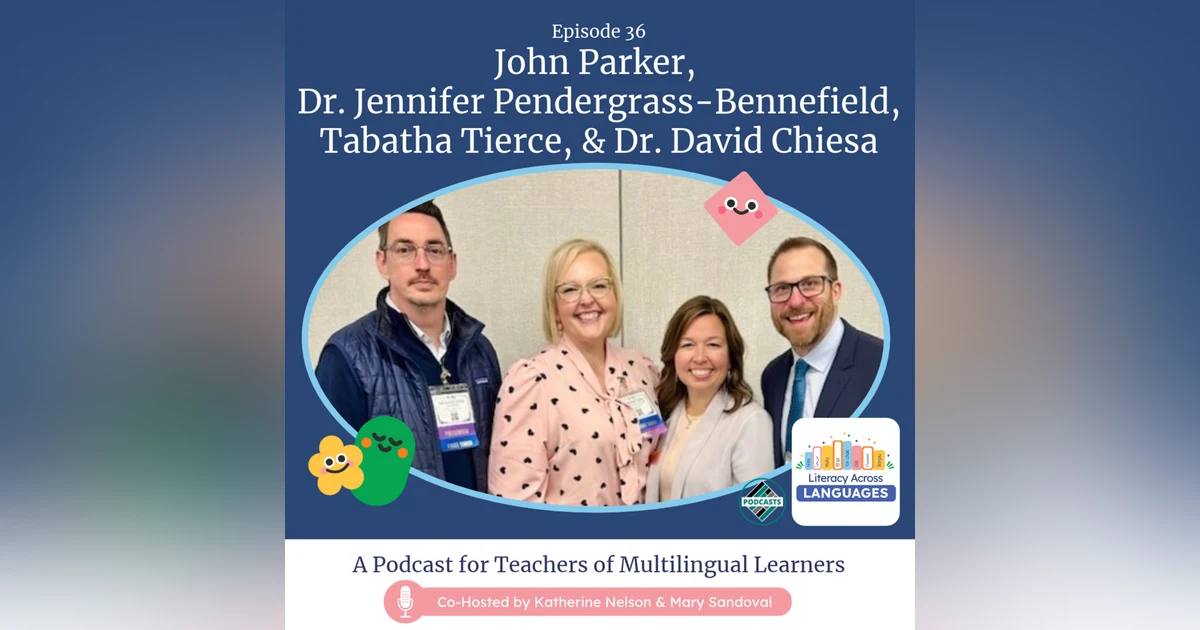
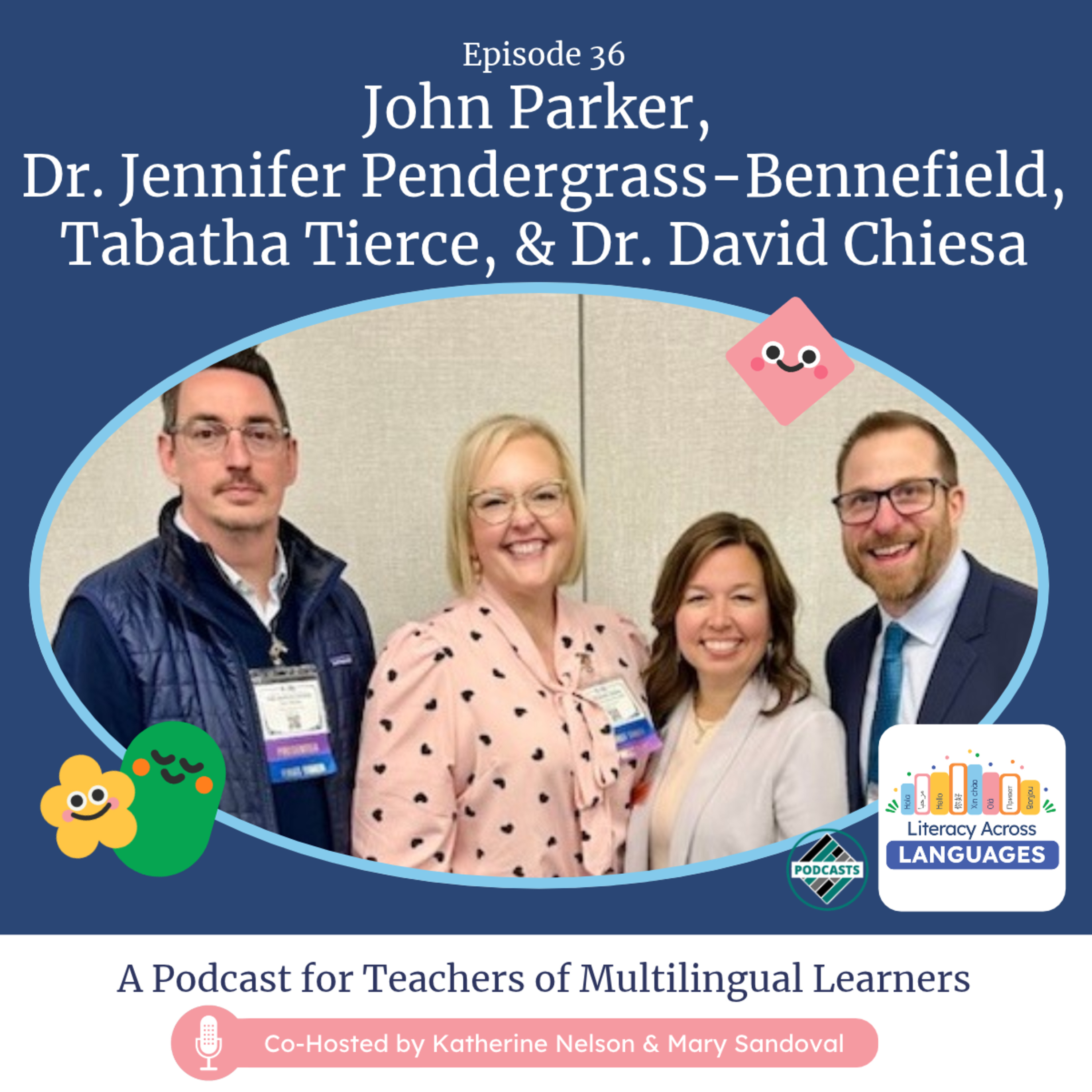
This episode features four educators working to strengthen literacy instruction for multilingual learners. Dr. Jennifer Pendergrass-Benne serves as coordinator of ESOL, Title III, and literacy legislation for Floyd County Schools in Georgia. John Parker is the district's assistant superintendent and chief academic officer. Dr. Tabatha Tierce is an experienced literacy educator and literacy coach in neighboring Polk County. Dr. David Chiesa is a clinical associate professor at the University of Georgia specializing in TESOL, language assessment, and teacher education.
Key Takeaways:
- Foundational literacy instruction must extend beyond the early grades. Multilingual learners entering U.S. schools later may need explicit instruction in reading skills that are no longer addressed in grade-level standards.
- Literacy and language development require shared responsibility. Collaboration between ESOL teachers, classroom educators, and literacy specialists helps ensure that foundational reading skills are explicitly taught alongside language development.
- Aligning standards with reading research is an equity issue. Educators must recognize gaps between existing language development frameworks and evidence-based literacy instruction to ensure multilingual learners have meaningful opportunities to become skilled readers.
Stay Connected
Visit us at literacyacrosslanguages.com, follow us on Instagram, or connect with Mary and Katherine on LinkedIn.
Enjoying the podcast? Follow, leave a review, and share your favorite episodes with fellow educators to keep the learning going.
Keywords
multilingual learners, English language development, foundational literacy skills, science of reading, structured literacy, ESOL instruction, literacy equity, WIDA standards, English language development standards, phonological awareness, phonics instruction, sound-symbol correspondence, literacy assessment, dyslexia screening, language differences, reading difficulties, cross-linguistic transfer, secondary literacy instruction, explicit reading instruction, literacy intervention, teacher collaboration, shared instructional responsibility, professional learning communities, literacy legislation, systemic functional linguistics, evidence-based reading instruction, educational equity, literacy leadership, multilingual education, reading development